Dental Implants (Tooth Implants)
Overview of Dental Implants
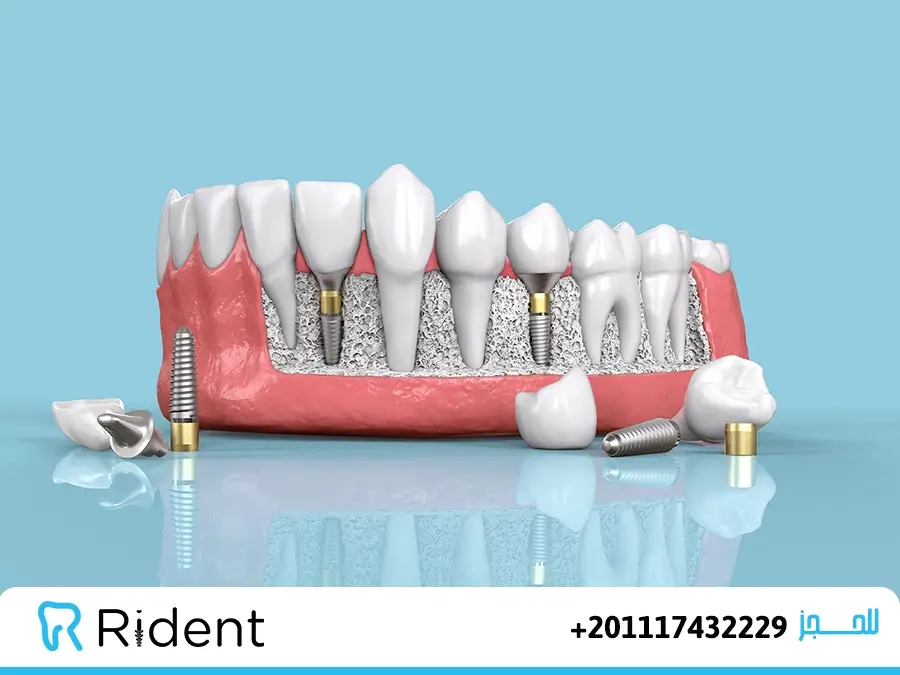
Dental implants are a modern and effective solution for replacing missing teeth, combining aesthetics and function. They utilize titanium posts that integrate with the jawbone to provide stable support for restorations such as crowns and bridges. Advanced technology has made this procedure more affordable and precise, offering excellent results that enhance chewing function and overall appearance. For more details, continue reading this article.
- Dental implants are considered the best option for replacing missing teeth, both aesthetically and functionally (chewing and eating).
- Dental implants are no longer as expensive as they used to be. Thanks to high-precision tools and modern technology available at Rident Center for Cosmetic and Implant Dentistry, the experience is now more accessible.
What Are the Stages of Dental Implantation (with Images)?
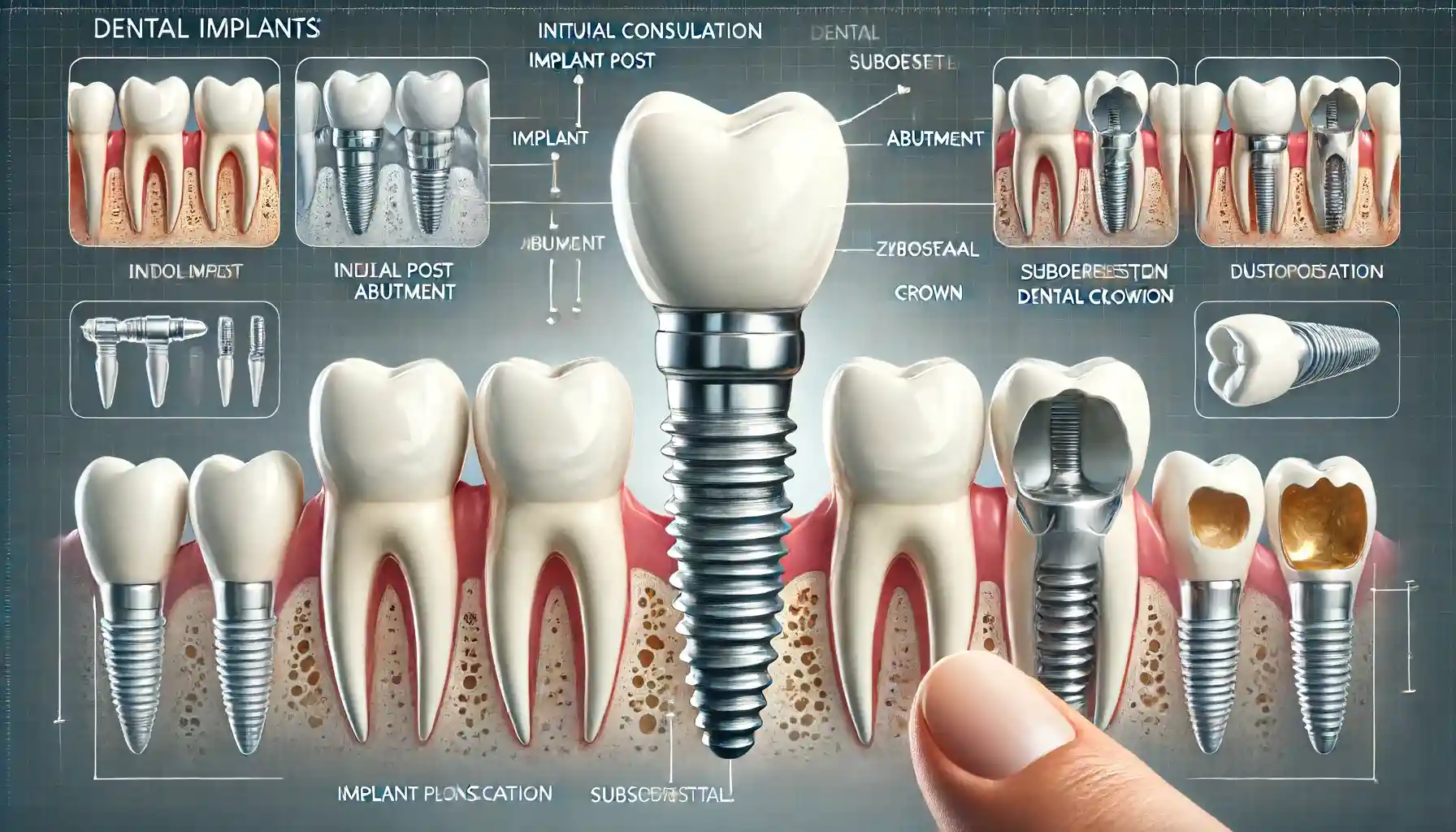
Before Placement in the Patient's Mouth, Implants go through several manufacturing stages before being used in a patient’s mouth. The implant is made from titanium — the same remarkable material used in aircraft manufacturing. The surface undergoes special treatment to create micropores (tiny pores invisible to the naked eye) that help the implant permanently fuse with the bone. After that, it is sterilized and sealed until it’s ready to be used in the patient's mouth.
Titanium is ideal for dental implants as it does not react with the human body and is biologically compatible.
Stages of Placing the Implant in the Patient's Mouth
- The dentist performs a 3D CT scan.
- This helps assess the bone’s condition and density and allows precise planning of the implant’s length and dimensions.
- Specialized tools are used to prepare the bone to receive the implant.
- The tools are applied in a fixed order and with precision that matches the implant’s intended size.
- The implant is then placed into the bone.
- A healing abutment is fitted on top of the implant to help the gum heal naturally within a few days.
Use of Laser in Dental Implants
Laser technology plays a significant role in dental implantology. It allows for flapless implant placement (without surgical incisions), reducing complications and enabling multiple implants in the same session with minimal or no pain.
How to Prepare for a Dental Implant Procedure
Preparing for dental implant surgery often requires a skilled team of specialists:
- Comprehensive dental examination: Includes X-rays, 3D scans, and dental impressions.
- Medical history review: Inform your dentist of any medical conditions and medications, including supplements or past bone graft surgeries.
- Customized treatment plan: Based on your reports, the team will determine the number of implants needed, the condition of the gums and jawbone, and the best approach.
How Long Does a Dental Implant Procedure Take?
The duration varies depending on implant type, design, and bone condition. Generally, if the bone quality is suitable, the implant can be placed immediately, and the crown can be loaded after 2 to 3 months
Role of Implants in Enhancing Chewing Function
Dental implants are the most reliable and effective solution to restore natural chewing function. The implant replaces the tooth root, and the crown restores the visible part of the tooth, working together like a real tooth.
How Much Do Dental Implants Cost?
The cost of dental implants varies depending on:
- The condition of the bone
- The neighboring teeth
- The type of crown (restoration) used
- The country of origin of the implant
Laser Dental Implants
Laser-assisted implants use laser beams instead of traditional tools. This offers:
- Higher precision
- Minimal bleeding and pain
- Faster healing
- Shorter recovery time
Technology and Tools Used
Technologies that improve implant success rates include:
- 3D CT scans
- Guided implant surgery
- CEREC CAD-CAM systems for restoration design
- Laser for non-surgical gum incisions
Success Stories at Rident Center
You can also share your implant experience with others and highlight key moments during your treatment at Rident Center for Cosmetic and Implant Dentistry. We welcome feedback that helps improve our services. Looking for the best dental implant prices? You’ll find them right here on this leading platform for modern dental solutions.
Are Dental Implants Painful?
Implants are placed under anesthesia, so you won't feel any pain during the procedure. Some discomfort may follow, but it is usually manageable with prescribed anti-inflammatories and pain relievers.
Can Implants Fail or Fall Out?
Implant longevity depends on:
- The quality of the implant
- The skill of the surgeon
Generally, dental implants are safe and long-lasting, often lasting 15–20 years or more with proper care.
When Can I Eat After Getting a Dental Implant?
You can eat soft foods around 2 hours after the procedure. Be sure to:
- Chew on the opposite side of the implant
- Avoid hot foods and drinks
- Stick to cold beverages and soft meals initially

-rident.webp)


